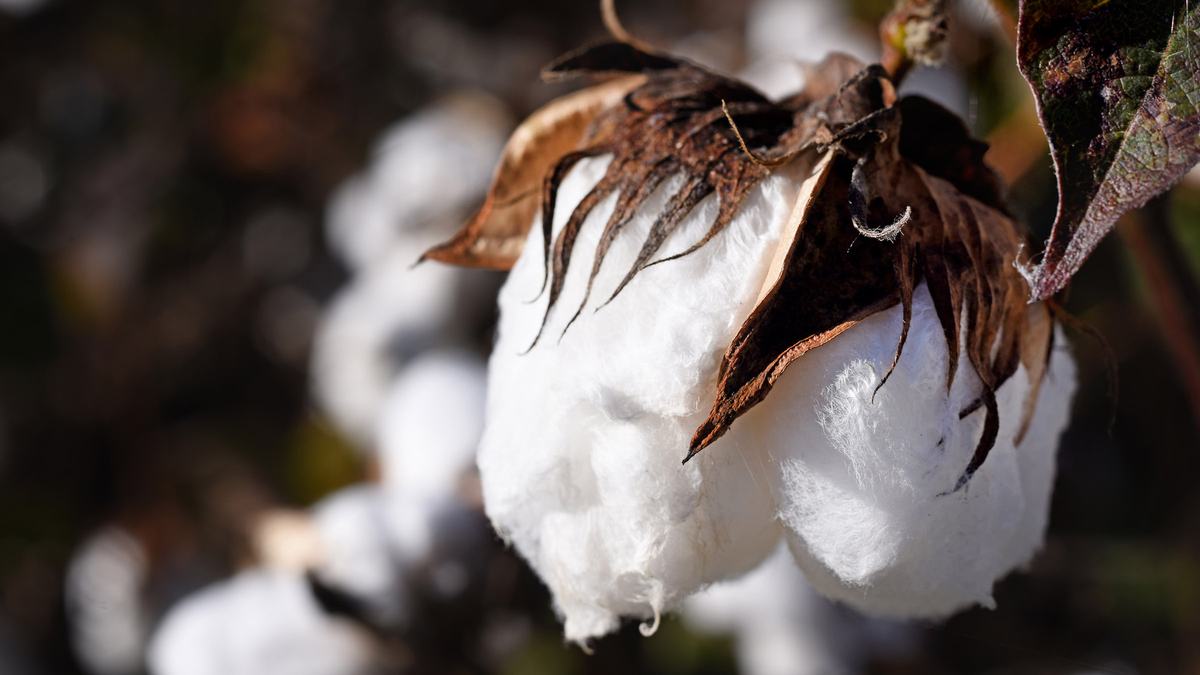
Crop Profile
- North Carolina Cotton North Carolina crop profile on cotton with information including variety selection, planting, harvest, storage, pest control, and farming practices
Production
- Cotton Grower Portal (NC State Cooperative Extension) Real time feed with relevant information on topics for North Carolina cotton, includes important dates for tours, field days, pest alerts and management decision aids
- Cotton Information (NC State Cooperative Extension) From budgets to sprayer calibration, this up to date guide will provide a management strategy overview for North Carolina cotton growers
- USDA Marketing Service - Cotton The cotton division website of the USDA provides an overview of market news, us cotton grading, and promotion related topics
- Variety Trial Results (Department of Crop Science, NC State) Links to Published research data by the Department of Crop Science, organized by year from 1997-Current
Diseases
- Cotton Disease Information Notes (Plant Pathology Extension, NC State) Links to major disease pest of cotton and information on related materials
- Texas Plant Disease Handbook (Texas A&M Extension) This Web page focuses on Cotton Root Rot, and while specific to Texas, does have a great deal of information that may be useful as a guide to root rot of cotton including causal organism, control, and IPM strategies for management of this disease
Insects
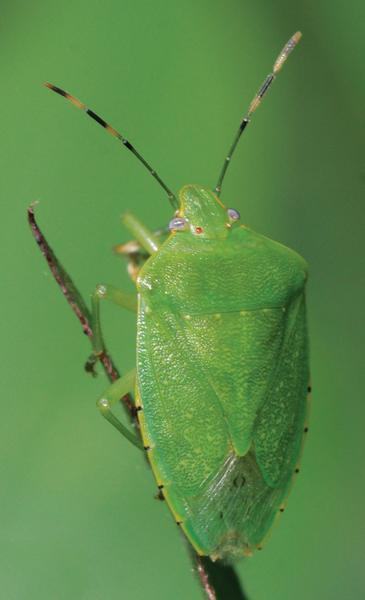
- Cotton Scouting Guide (Department of Entomology, NC State) Resource on insect pest of NC cotton including scout times, thresholds and identification descriptions
- Decision Aid for Stink Bug Scouting in Southeast Cotton PDF resource with descriptions to use a scouting tool to determine thresholds for the treatment of stink bugs
Publications
- North Carolina Agricultural Chemicals Manual The manual has ten main sections: I. Pesticide use and safety information II. Chemical application equipment III. How to send specimens for disease, insect, and weed identification IV. Fertilizer use V. Insect control VI. Insect and disease control of fruits VII. Chemical weed control VIII. Plant growth regulators IX. Animal damage control X. Disease control Detailed information on controlling pests of field crops, forage crops, grains, fruits, vegetables, ornamentals, turf, landscape, nursery, livestock, poultry, home garden, communities, and industrial sites is included.