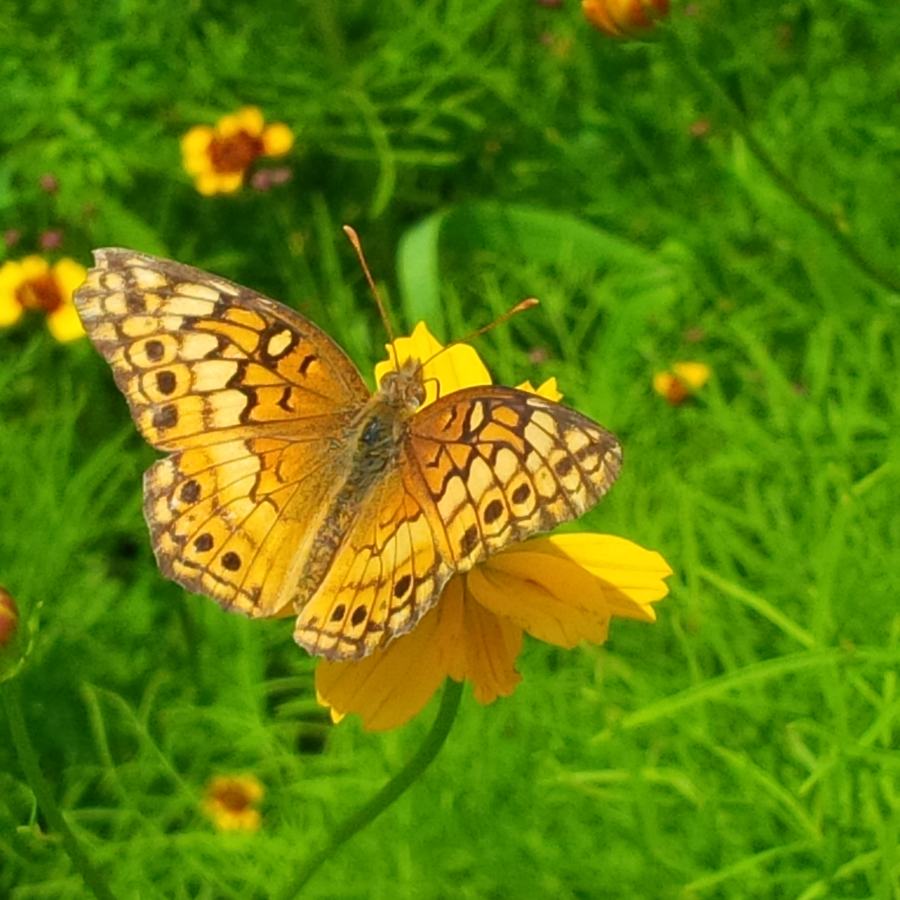
Pollinators are essential to the survival of many flowering plants, and to the production of over 85% of our food and fiber producing crops.
Insects are the most common and abundant pollinators. Today, mounting evidence indicates that pollinator populations are declining worldwide. While most everyone knows about honey bees, there are many other important groups of insect pollinators that must be protected as well.
Although much of the information below targets honey bee protection, the principles and stewardship practices described are applicable to all insect pollinators.
Pollinator Protection and Conservation (General)
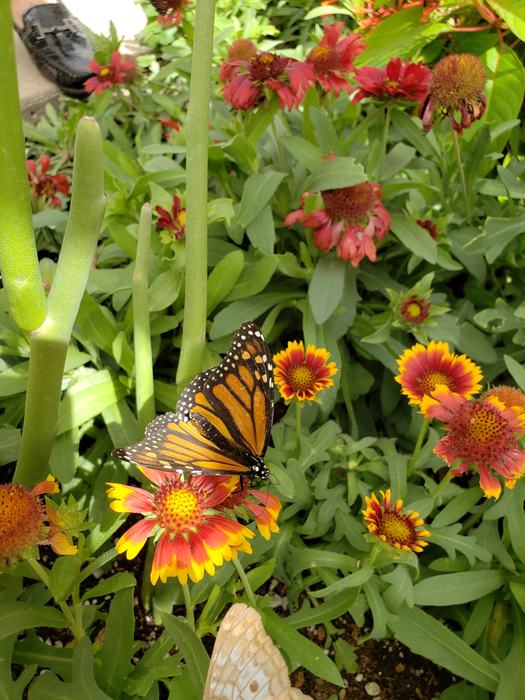
- 10 Ways to Protect Bees from Pesticides
- Protecting NC Pollinators - NC Department of Agriculture & Consumer Services
- Preventing or Mitigating Potential Negative Impacts of Pesticides on Pollinators Using Integrated Pest Management and Other Conservation Practices USDA Agronomy Technical Note No. 9, Feb. 2014
- Pollinators and Pesticide Stewardship - Coalition for Urban/Rural Environmental Stewardship, Syngenta, and Bayer CropScience.
- North American Pollinator Protection Campaign
- Backyard Conservation - not pollinator specific but still a great resource for how you can implement conservation practices that will improve pollinator and wildlife habitat in your backyard.
- Managing Alternative Pollinators - A handbook for beekeepers, growers, and conservationists (free book)
- Gardening for the Bees - Using plants in your garden that support your butterflies and native bees
- Colony Collapse Disorder Action Plan - USDA/EPA publication on Colony Collapse Disorder (CCD)
- Pollinator Protection Strategic Plan - EPA vision and goals to promote and enhance pollinator protection in future years.
IPM Elements (Honey Bees)
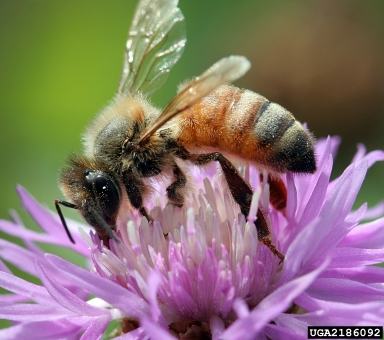
honey bee - Apis mellifera
David Cappaert, Michigan State University, Bugwood.org
- IPM Elements for Honey Bees in the Mid-Atlantic States A list of IPM practices that can be used in honey bee pest management.
Pest Management Strategic Plan (Honey Bees)
- Pest Management Strategic Plan for Honey Bees in the Mid-Atlantic States Summary from a 2008 workshop that outlines the research, educational, and regulatory priorities for managing honey bee pests including insects, mites, vertebrates and diseases.
Production (Honey Bees)
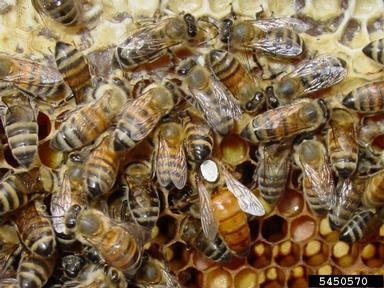
honey bee - Apis mellifera
Dennis Riggs, Denrig, Inc., Bugwood.org
- Apiculture and Beekeeping - NC State Extension site with comprehensive information about apiculture and beekeeping
- Extension Beekeeping Notes - Extension articles authored by the NC State Apiculture Program. Topics covered are Africanized honey bees, honey bee dance language, types of honey bees, diseases of honey bees, how to become a bee keeper and more.
- Pollinator Protection - Pesticide Environmental Stewardship, CIPM Principles geared towards the protection of honeybees and other pollinators.
- North Carolina Agricultural Chemicals Manual - This manual has a table that lists pesticides and their relative toxicity to honey bees, plus recommendations to reduce pesticide poisoning to honey bees.
- Disease Management and Guidelines for the Honey Bee - The following is an outline of recommendations for detecting and treating colonies for economically important parasites and pathogens of honey bees so that beekeepers may achieve this goal, and do so in a sustainable way for the long-term health of their colonies.
Websites - For Pollinators in general
- Apiary Services - NC Department of Agriculture and Consumer Services
- Cooperative Standards - Mississippi State University Extension Services Cooperative standards for the coexistence of row crop farmers and beekeepers adopted in Mississippi.
- North American Pollinator Protection Campaign - Encourage the health of resident and migratory pollinating animals in North America
- Resources to Help Pollinators - USDA Natural Resources Conservation Service
- The Xerces Society - Pollinator conservation program